Our Curriculum
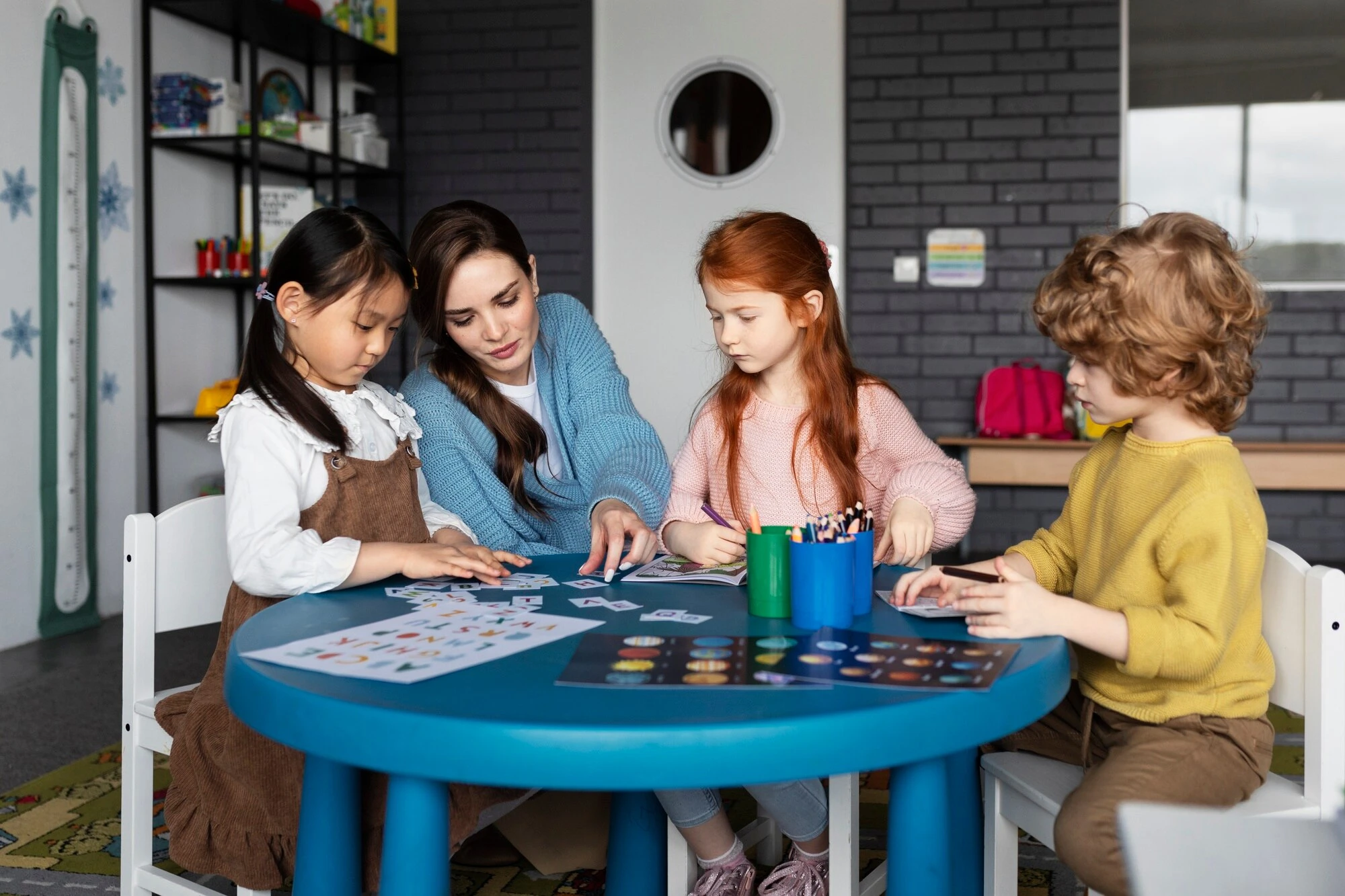
Building Confident Learners Through Purposeful Play
Learning With Purpose
- Intentional early childhood education
- Developmentally appropriate curriculum
- Play-based learning
- Teacher-guided instruction
- Child-led exploration
- Meaningful learning experiences
- Balanced academic development
- Social-emotional development
Our Educational Philosophy
Every child develops at their own pace.
Play is a powerful learning tool.
Positive relationships build confidence and trust.
Exploration encourages creativity and problem solving.
Families are essential educational partners.
Learning should inspire lifelong curiosity.
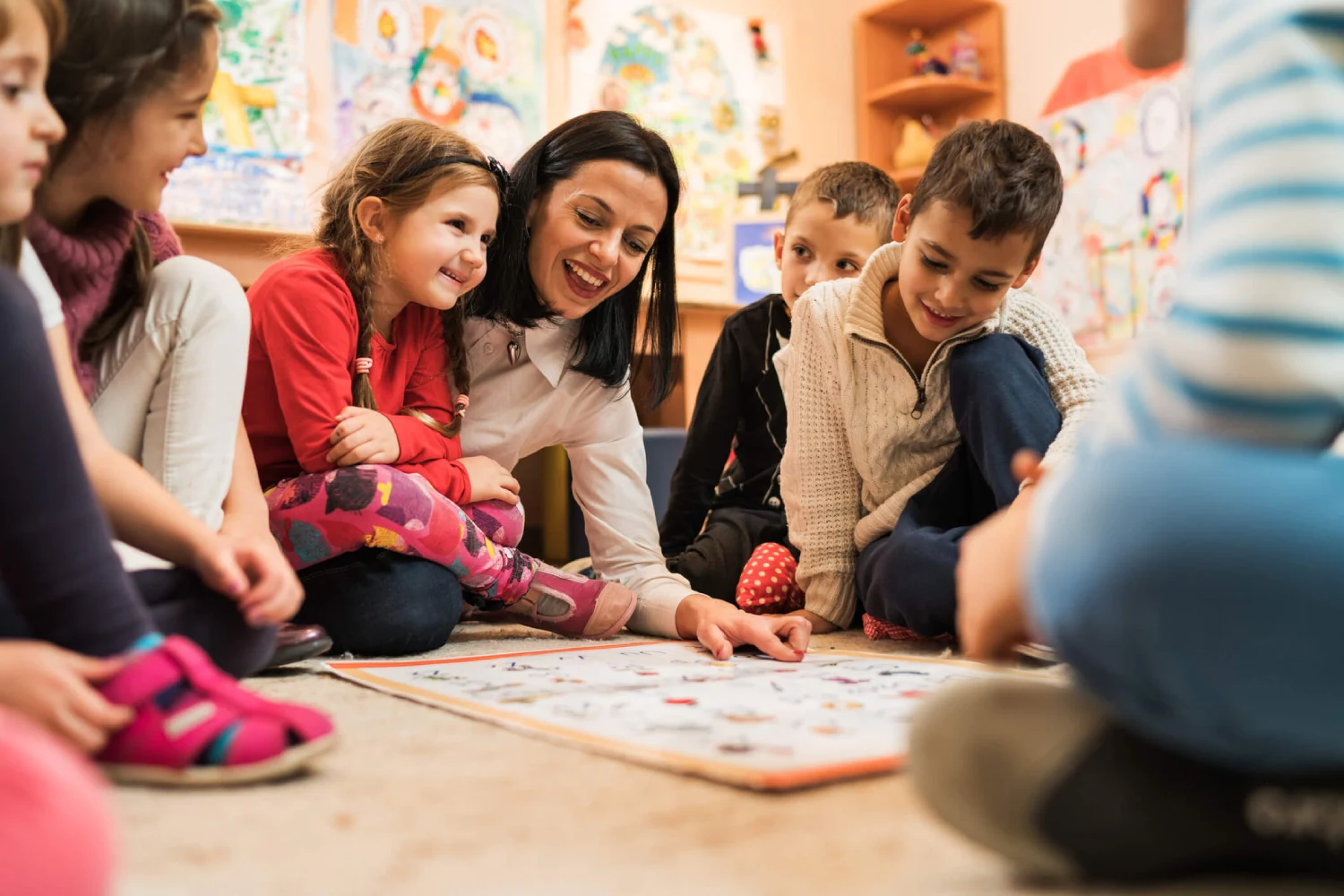
Learning Through Play
Topics to Cover
- Guided play
- Independent exploration
- Problem-solving
- Imaginative play
- Collaboration
- Creativity
- Language development
- Cognitive growth
Visual Requirements
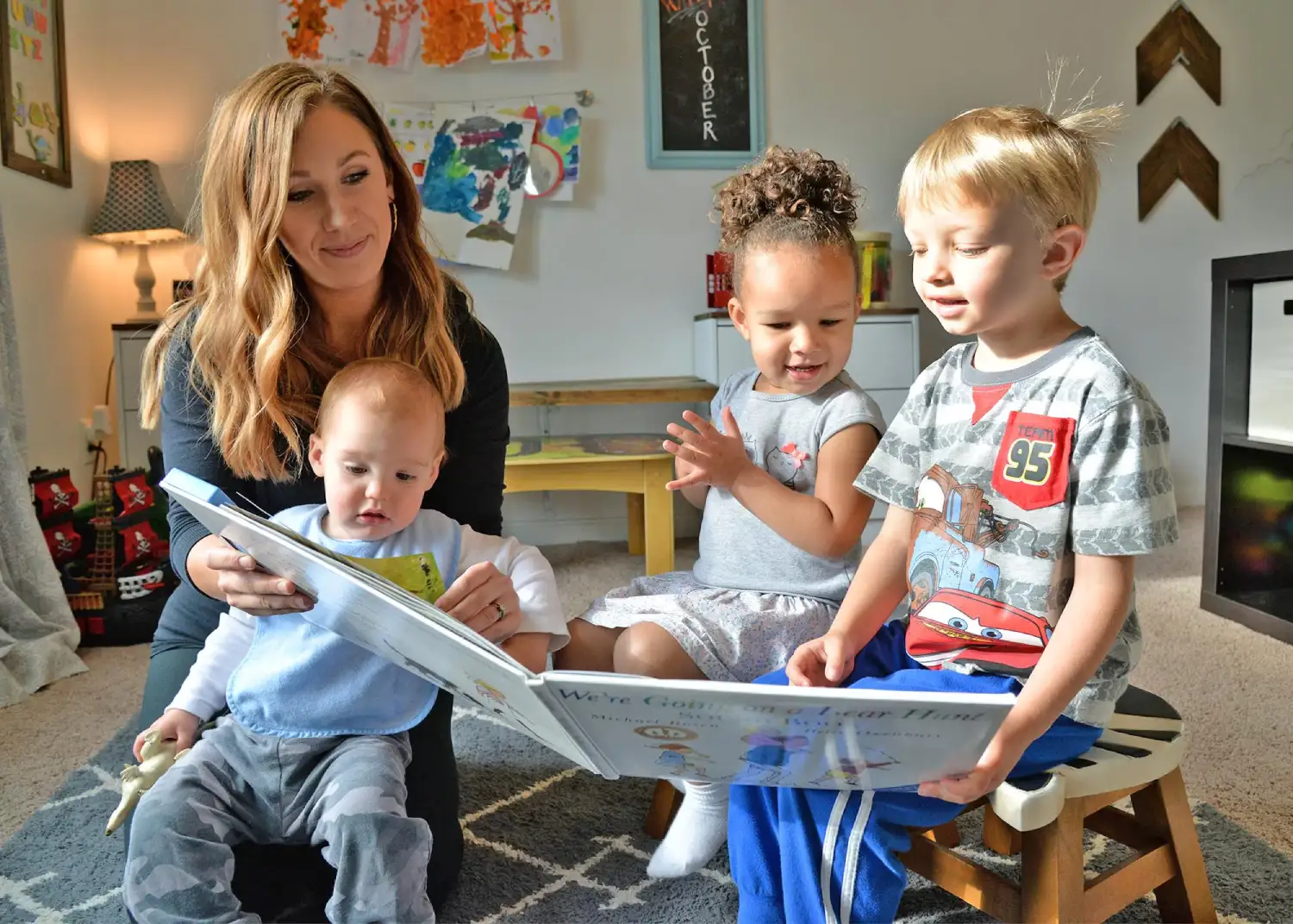
- Authentic classroom photography
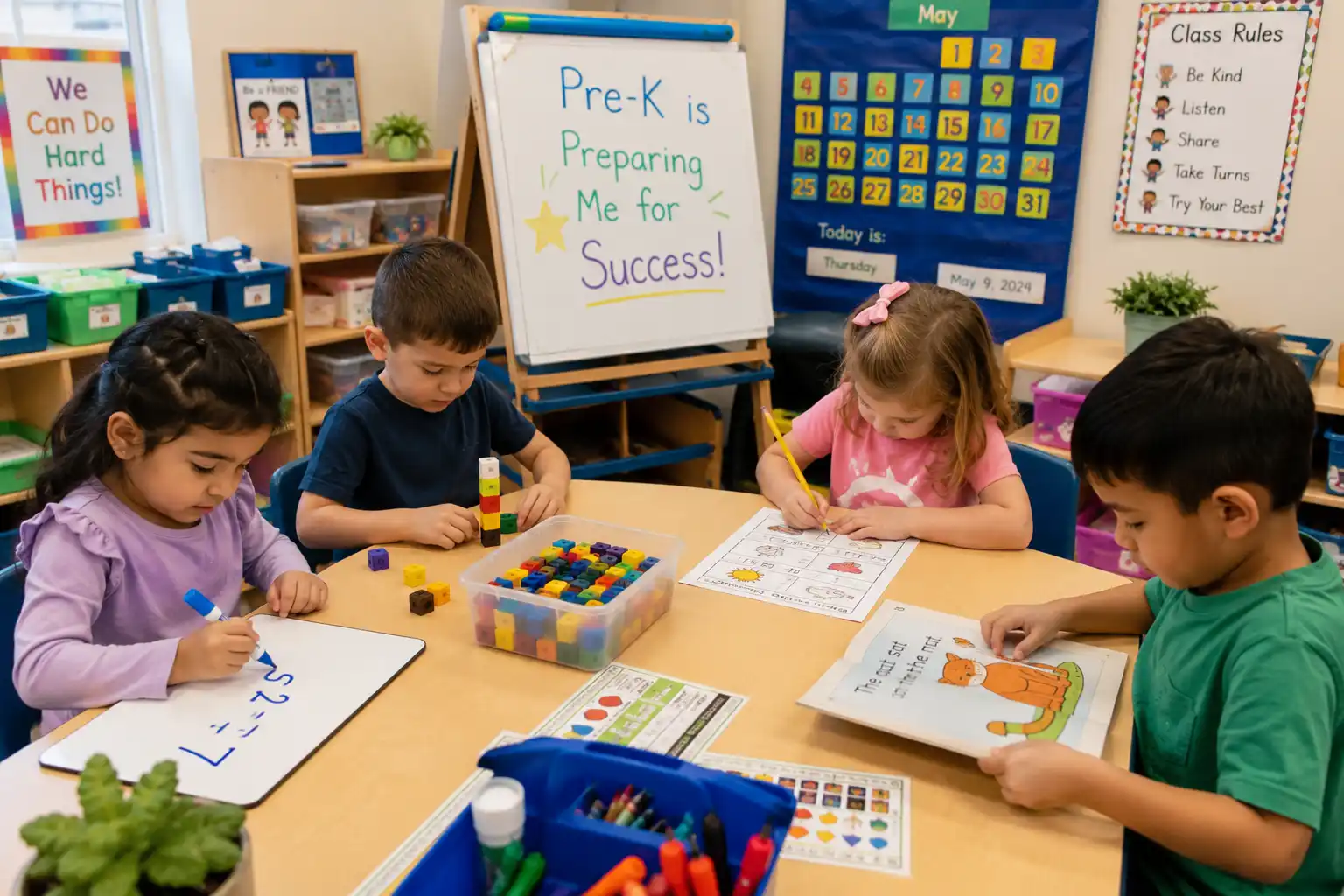
- Children actively participating in learning
- Teacher-child interaction
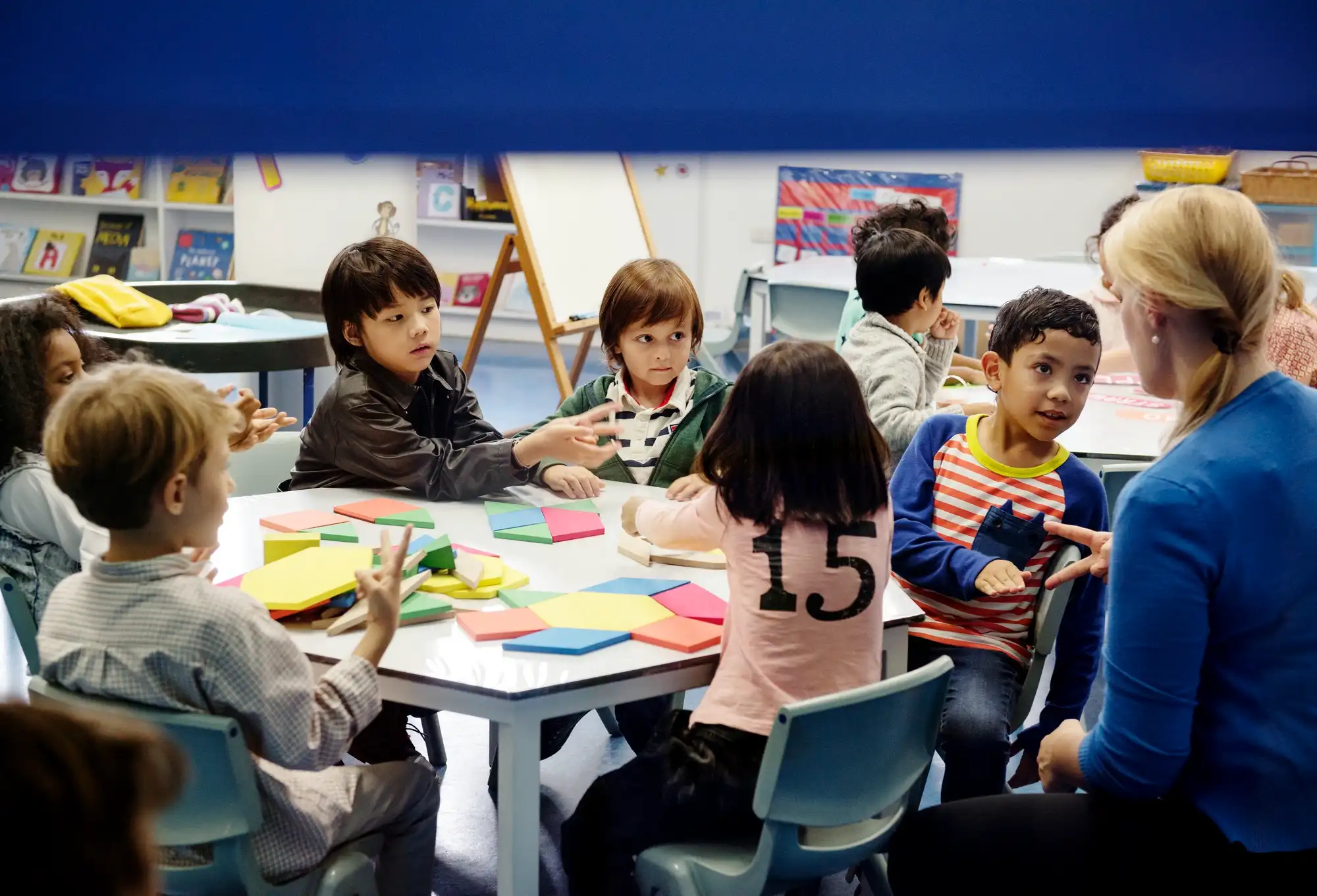
- Hands-on educational activities
- Exploration and discovery
- Bright, natural classroom environment
Supporting the Whole Child
Required Developmental Domains
- Cognitive Development
- Language & Literacy
- Mathematics
- Science
- Social Studies
- Social-Emotional Development
- Physical Development
- Fine Motor Skills
- Gross Motor Skills
- Creative Arts
- Music & Movement
- Health & Wellness
- Technology Awareness
- Executive Function Skills
Each Developmental Domain Shall Include
- brief description of developmental
- Primary learning goals
- Examples of age-appropriate learning experiences
- Developmental benefits
Aligned with California's Early Learning Foundations
Required Topics
- California Early Learning and Development Foundations
- Developmentally Appropriate Practice
- School Readiness
- Observation-Based Instruction
- Continuous Child Development
Requirements
- Explain curriculum alignment without reproducing California publications.
- Do not imply state accreditation.
- State that curriculum implementation supports the California Early Learning and Development Foundations while maintaining TTLA's unique educational approach.
Curriculum Framework
Develop a visual curriculum framework illustrating the progression of learning throughout the educational experience.
Framework Sequence:
Learning Domains
Create individual content blocks for each learning domain
Required Learning Categories:
Language & Literacy
Mathematics
Science
Technology Awareness
Engineering Concepts
Creative Arts
Music
Movement
Social-Emotional Learning
Health & Nutrition
Outdoor Learning
Problem Solving
Critical Thinking
Communication.
Each learning domain shall include:
- brief overview with age-appropriate
- Development objectives.
- Age-appropriate learning examples.
- Supporting educational imagery.
- Internal links where applicable.
Daily Learning Experience
Purpose:
Illustrate how the curriculum is implemented throughout a typical day.
Required Daily Learning Flow:
Growing Every Day
Purpose:
Children’s progress is supported through ongoing observation, documentation, family communication, milestone recognition, and individualized planning.
- Observation-Based Learning
- Individual Development
- Informal Assessment
- Documentation
- Family Communication
- Continuous Curriculum Planning
Assessment language shall emphasize individual growth, developmental progress, and personalized learning experiences. Avoid language suggesting standardized testing or academic pressure.
Preparing Children for Future Success
Purpose:
Demonstrate how TTLA prepares children for long-term academic success.
- Independence
- Early Literacy
- Early Mathematics
- Communication Skills
- Social Confidence
- Emotional Regulation
- Problem-Solving
- Fine Motor Readiness
- Classroom Routines
Partnering With Families
Purpose:
Parents are every child’s first teachers. Through communication, shared goals, progress updates, and collaboration, we work together to support each child’s success.
Required Topics:
Ongoing parent communication.
Regular learning updates.
Home learning support.
Parent-teacher conferences.
Shared educational goals.
Collaborative family relationships.
Classroom Learning Centers
Required Learning Centers:
- Literacy Center
- Mathematics Center
- Science & Discovery
- STEM Center
- Art Studio
- Dramatic Play
- Sensory Exploration
- Music & Movement
- Building & Construction
- Fine Motor Center
- Outdoor Learning
- Quiet Reading Area.
Each learning center shall include:
- Educational Purpose
- Skills Developed
- Learning Materials
- And Developmental Benefits.
Educational Materials
Purpose:
Highlight the intentional selection of developmentally appropriate educational resources used throughout the classroom.
- Books
- Manipulatives
- STEM Materials
- Sensory Resources
- Art Supplies
- Musical Instruments
- Dramatic Play Materials
- Building Materials
- Fine Motor Equipment
- Outdoor Learning Resources.
Frequently Asked Questions
Our Approach
Learning That Inspires Growth
What We Teach
Building Strong Foundations
Early Literacy
Developing listening, speaking, reading, and early writing skills.
Early Math
Learning numbers, counting, patterns, shapes, and problem-solving.
Science & Discovery
Exploring nature, experiments, and the world through curiosity.
Creative Arts
Encouraging imagination through art, music, crafts, and creative play.
Social & Emotional Learning
Building friendships, confidence, kindness, and emotional awareness.
Physical Development
Supporting coordination, movement, and healthy active play.
Learning Methods
Hands-On Learning Every Day
Play-Based Activities
Learning naturally through exploration and fun experiences.
Interactive Learning
Children actively participate in engaging classroom activities.
Group Collaboration
Working together to build teamwork and communication skills.
Individual Growth
Supporting every child's unique learning journey.
Learning Outcomes
Preparing Children for Success
- Communication Skills
- Critical Thinking
- Creativity
- Independence
- Social Skills
- Emotional Growth
- Physical Development
- Kindergarten Readiness